GST-ready invoices for kirana stores — a plain-English guide
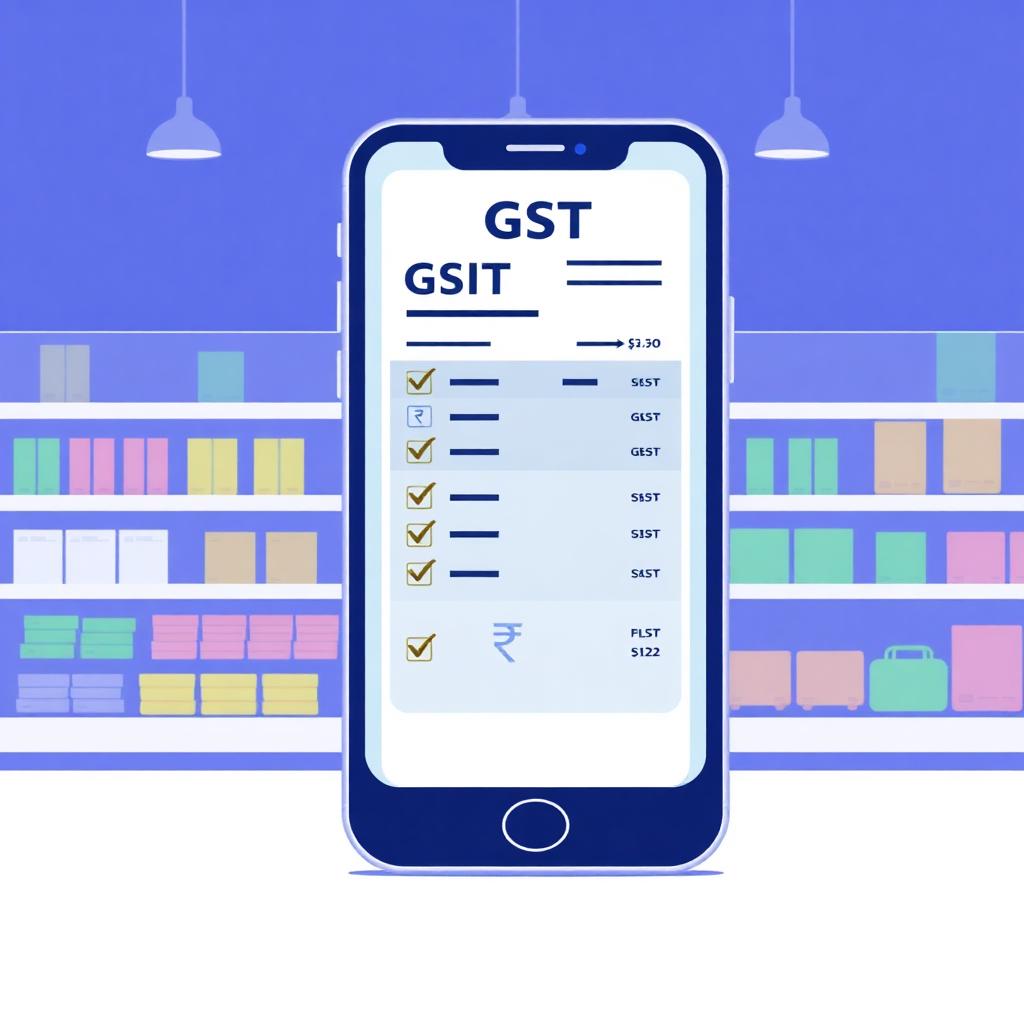
GST-ready invoices for kirana stores
You don''t need to be a chartered accountant to raise a correct GST bill. If your annual turnover is above ₹40 lakh (₹20 lakh in special-category states) you need GST registration, and every B2B customer who asks for a bill deserves a proper one.
What a valid GST invoice must contain
- Your GSTIN and shop name at the top
- Invoice number (sequential, no gaps within a financial year)
- Date of supply
- Buyer''s name and GSTIN (for B2B)
- Item description, HSN code, quantity, unit price
- Taxable value + CGST + SGST (or IGST if the buyer is out of state)
- Total in words (best practice, not mandatory)
- Signature or digital signature
BillQik auto-fills every one of these fields the moment you say "Rakesh ji ko do packet biscuit, GST bill chahiye".
The interstate vs intrastate rule (the one people get wrong)
- Same state: split GST as CGST + SGST (equal halves)
- Different state: charge full amount as IGST
BillQik reads the buyer''s address on file and picks the right split automatically. You never have to remember.
HSN codes without headaches
For turnover under ₹5 crore, 4-digit HSN codes are enough for B2B; B2C bills are exempt from HSN in most cases. BillQik ships with an HSN suggestion table so when you add "biscuit" as an item, it proposes HSN 1905 for you.
Composition scheme? Even simpler
If you''re under the composition scheme, don''t collect GST from the customer. BillQik has a "Composition" toggle in Settings → GST that hides tax columns from your invoices and adds the required "Composition Taxable Person" line at the bottom.
Filing reminders
BillQik keeps a running total of your CGST/SGST/IGST liability per month, so on the 10th (GSTR-1) and 20th (GSTR-3B) you get a nudge with the exact figures. Export as CSV → hand to your accountant → done.
Compliance shouldn''t eat your evenings. Let voice billing do the paperwork so you focus on your customers.